
What Are Allergy Eye Drops?
Allergy eye drops are sterile ophthalmic solutions specially formulated to relieve the uncomfortable symptoms of allergic eye conditions. When allergens such as pollen, dust mites, pet dander, mould spores, or smoke come into contact with the eye surface, they trigger an immune response,e releasing histamine and other inflammatory chemicals. This causes the classic symptoms of eye allergy,gy including intense itching, redness, watering, swelling, and a burning or gritty sensation that can significantly affect daily comfort and quality of life.
At Eyedrop,s4U, we offer a carefully selected range of clinically proven allergy eye drops suitable for various types and severities of allergic eye conditions, helping you find the right solution for your specific needs.
Types of Eye Allergies:-
Seasonal Allergic Conjunctivitis is the most common type caused by outdoor allergens, including tree pollen in spring, grass pollen in summer, and weed pollens in autumn. Symptoms appear during specific seasons and resolve when the allergen season ends.
Perennial Allergic Conjunctivitis is a year-round form caused by persistent indoor allergens, including house dust mites, pet dander, and mould spores. Because allergen exposure is continuous, symptoms persist throughout the entire year,r requiring consistent daily management.
Vernal Keratoconjunctivitis is a more severe and recurrent form primarily affecting children and young adults, involving significant inflammation of the conjunctiva and sometimes the cornea, requiring more intensive specialist treatment.
Giant Papillary Conjunctivitis is commonly associated with contact lens wear, causing significant discomfort, lens intolerance, and mucus discharge,harge requiring specific management alongside appropriate anti-allergic drops.
How Allergy Eye Drops Work?
Different allergy eye drops work through different pharmacological mechanisms depending on their active ingredients.
Antihistamine Eye Drops block histamine H1 receptors on the conjunctival tissue, preventing histamine from triggering itching, redness, and watering. Second-generation antihistamines such as Olopatadine, Epinastine, and Bepotastine provide rapid targeted relief within minutes of application with minimal systemic side effects.
Mast Cell Stabiliser Eye Drops prevent mast cells in the conjunctival tissue from releasing histamine and other inflammatory mediators when allergen exposure occurs. They work best when started before allergen exposure begins, as they require several days of consistent use to build a protective effect.
Dual Action Eye Drops combine both antihistamine and mast cell stabilising mechanisms in a single drop, providing both immediate symptomatic relief and longer-term preventive protection. Products containing Olopatadine, Epinastine, and Bepotastine belong to this most effective category.
Decongestant Eye Drops contain agents such as Naphazoline that rapidly reduce redness by constricting conjunctival blood vessels. They should only be used for short periods of 3 to 5 days maximum due to the risk of rebound redness with prolonged use.
Read More:- Explore our complete guide to choosing the right eye drops.
Common Symptoms of Eye Allergies:-
Recognising eye allergy symptoms helps patients seek appropriate treatment promptly. Intense itching is the most characteristic and universal symptom. Redness results from histamine-induced dilation of the conjunctival blood vessels. Excessive watering occurs from histamine stimulation of the lacrimal system. Swelling of the conjunctiva and eyelids is common in more significant allergic reactions. A burning or gritty sensation is frequently reported alongside itching and watering. Mild sensitivity to light may also occur.
Eye allergy symptoms typically affect both eyes simultaneously and are not usually accompanied by significant pain or thick, coloured discharge. Significant pain, vision changes, or purulent discharge suggest a different and potentially more serious condition requiring urgent medical assessment.
How to Choose the Right Allergy Eye Drop?
For mild and occasional symptoms,s a short-acting antihistamine drop used as needed may provide adequate relief. For moderate to significant seasonal symptoms, a dual-action antihistamine and mast cell stabiliser drop used consistently twice daily throughout the allergy season provides the most comprehensive and sustained relief. Starting treatment a few days before the season begins allows the mast cell stabilising protective effect to build before peak allergen exposure.
For year-round perennial allergies,, consistent daily dual-action drop use combined with measures to reduce indoor allergen exposure provides the most effective overall management. For severe symptoms not responding to standard drops, consultation with an eye specialist is recommended,d as additional treatment may be required.
Practical Tips for Managing Eye Allergies:-
Alongside allergy eye drops, these practical measures help significantly reduce symptoms. During high pollen seasons, keep windows closed, wear wraparound sunglasses outdoors, and shower after spending time outside. Indoor,s use allergen-proof bedding covers, vacuum regularly with a HEPA filter, and wash bedding weekly in hot water. Avoid rubbing your eyes as this worsens symptoms and can cause corneal damage. Use a clean cold compress over closed eyes for soothing relief during acute episodes. Contact lens wearers should consider daily disposable lenses during allergy season and may need to temporarily discontinue lens wear during severe episodes.
When to See a Doctor?
See your eye doctor if symptoms are severe, significantly affecting vision, or not improving with standard allergy drops. Seek urgent care if symptoms are accompanied by significant pain, thick, coloured discharge, or vision changes. Children with eye allergy symptoms, particularly suspected vernacular conjunctivitis,s should be assessed by a paediatric ophthalmologist promptly.
Medical Disclaimer:-
The information on this page is for general educational purposes only and does not replace advice from a qualified eye doctor or allergist. Always consult your eye specialist before starting any ngy eye drop treatment. Eyedrops4U strongly advises against self-diagnosis and self-medication for persistent or worsening eye conditions.
-
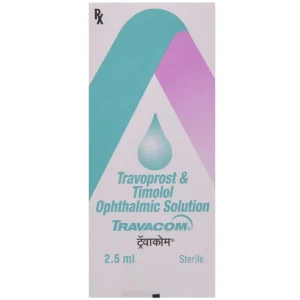
Travoprost & Timolol eye drops
Active Ingredient: Travoprost /Timolol Indication: Ocular hypertension, Glaucoma Manufacturer: Alcon Laboratories Packaging: 2.5 ml in 1 bottle Strength: 2.5ml Delivery Time: 10 to 15 days Price range: $60.00 through $150.00Travoprost & Timolol eye drops
Price range: $60.00 through $150.00 -
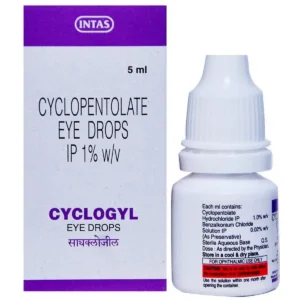
Cyclogyl Eye Drop (Cyclopentolate)
Active Ingredient: Cyclopentolate Indication: Eye examination, Uveitis Manufacturer: Intas Pharmaceuticals Ltd Packaging: 5ml in 1 Bottle Delivery Time: 10 to 15 days Price range: $15.00 through $48.00Cyclogyl Eye Drop (Cyclopentolate)
Price range: $15.00 through $48.00 -
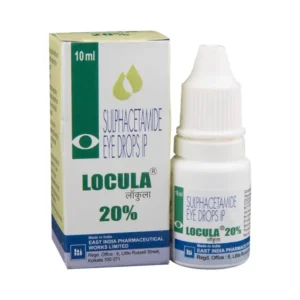
Sulphacetamide Eye Drop
Active Ingredient: Sulfacetamide Indication: Bacterial infections of the eye Manufacturer: East India Pharmaceutical Works Limited Packaging: 10ml in a bottle Delivery Time: 10 to 15 days Price range: $20.00 through $48.00Sulphacetamide Eye Drop
Price range: $20.00 through $48.00 -
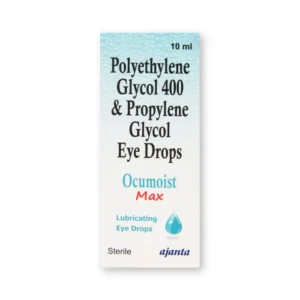
Ocumoist Max
Active Ingredient: Polyethylene Glycol and Propylene Glycol Indication: Dry eyes Manufacturer: Ajanta Pharma Limited Packaging: 10 ml in 1 packet Delivery Time: 10 to 15 days Price range: $18.00 through $48.00Ocumoist Max
Price range: $18.00 through $48.00 -
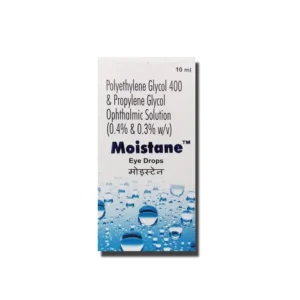
Moistane 10 ml
Active Ingredient: Polyethylene Glycol and Propylene Glycol Indication: Dry Eyes and lower irritation Manufacturer: Micro Labs Ltd Packaging: 5 ml in 1 packet Delivery Time: 6 To 15 days Price range: $30.00 through $78.00Moistane 10 ml
Price range: $30.00 through $78.00 -
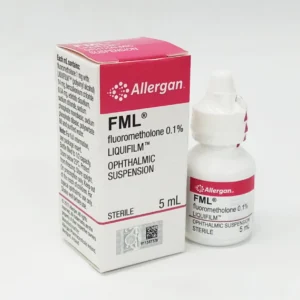
FML Eye Drop (Fluorometholone)
Active Ingredient: Fluorometholone Indication: Inflammation of the eye Manufacturer: Allergan India Pvt Ltd Packaging: 5 ml in 1 Bottle Delivery Time: 10 to 15 days Price range: $14.00 through $36.00FML Eye Drop (Fluorometholone)
Price range: $14.00 through $36.00 -
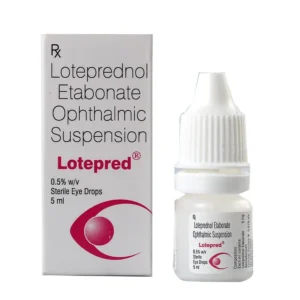
Lotepred Eye drop 5 ml (Loteprednol)
Active Ingredient: Loteprednol Indication: Eye Pain Manufacturer: Sun Pharmaceutical Industries Ltd Packaging: 5 ml in 1 Bottle Strength: 5ml Delivery Time: 10 to 15 days Price range: $24.00 through $90.00Lotepred Eye drop 5 ml (Loteprednol)
Price range: $24.00 through $90.00 -
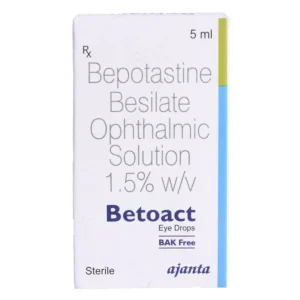
Bepotastine Eye Drop
Active Ingredient: Bepotastine Indication: redness and swelling Manufacturer: Ajanta Pharma Ltd Packaging: 5 ml in 1 Bottle Delivery Time: 10 to 15 days Price range: $20.00 through $48.00Bepotastine Eye Drop
Price range: $20.00 through $48.00 -
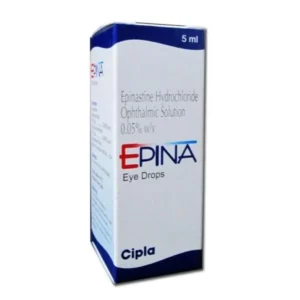
Epina Eye Drop (Epinastine)
Active Ingredient: Epinastine Indication: Allergic eye disease Manufacturer: Cipla Limited Packaging: 5 ml in 1 Bottle Strength: 0.05% Delivery Time: 10 to 15 days Price range: $14.00 through $36.00Epina Eye Drop (Epinastine)
Price range: $14.00 through $36.00 -
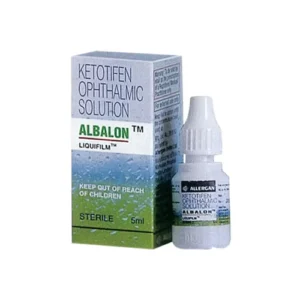
Albalon Eye Drop (Ketotifen)
Active Ingredient: Ketotifen Indication: Allergic eye disease Manufacturer: Allergan India Pvt Ltd Packaging: 5 ml in 1 packet Delivery Time: 10 to 15 days Strength: 0.5% Price range: $14.00 through $36.00Albalon Eye Drop (Ketotifen)
Price range: $14.00 through $36.00 -
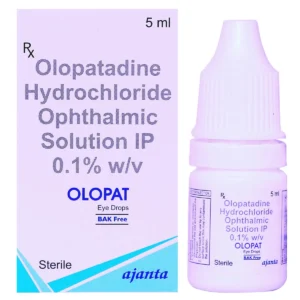
Olopat Eye Drop (Olopatadine)
Active Ingredient: Olopatadine Indication: Allergic eye disease Manufacturer: Ajanta Pharma Ltd Packaging: 5 ml in 1 Bottle Strength: 5ml Delivery Time: 10 to 15 days Price range: $14.00 through $36.00Olopat Eye Drop (Olopatadine)
Price range: $14.00 through $36.00 -
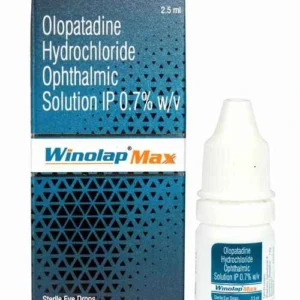
Winolap Max Eye Drop (Olopatadine)
Active Ingredient: Olopatadine Indication: Allergic eye disease Manufacturer: Sun Pharmaceutical Industries Ltd Packaging: 2.5 ml in 1 bottle Strength: 7mg Delivery Time: 10 to 15 days Price range: $24.00 through $60.00Winolap Max Eye Drop (Olopatadine)
Price range: $24.00 through $60.00