
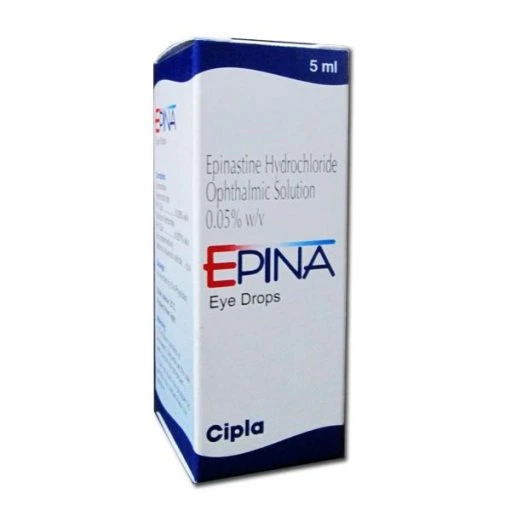
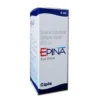
Epina Eye Drop (Epinastine)
Price range: $14.00 through $36.00
| Active Ingredient: | Epinastine |
|---|---|
| Indication: | Allergic eye disease |
| Manufacturer: | Cipla Limited |
| Packaging: | 5 ml in 1 Bottle |
| Strength: | 0.05% |
| Delivery Time: | 10 to 15 days |
Epina Eye Drop:-
Epina Eye Drop contains Epinastine Hydrochloride 0.05% as its active ingredient. Epinastine belongs to a class of medicines called dual-action antihistamines with additional mast cell stabilising properties. It is a second-generation antihistamine specifically formulated for ophthalmic use to provide fast and comprehensive relief from allergic eye symptoms. Epinastine is highly selective for histamine H1 receptors in the eye tissue and additionally blocks H2 receptors, providing a broader antihistamine coverage than many single-receptor antihistamine eye drops. It also demonstrates significant mast cell stabilising activity, helping to prevent the release of histamine and other allergic inflammatory mediators from sensitised immune cells in the conjunctival tissue. Epina Eye Drop is manufactured to high pharmaceutical and sterility standards and is widely recommended by eye specialists and allergists across India for the effective management of allergic conjunctivitis and other allergic eye conditions. It is available as a sterile, clear solution that is gentle and comfortable on the sensitive eye surface. This medicine is a prescription product and should be used under the guidance of a qualified eye doctor or healthcare professional. It is suitable for adults and children above three years of age, providing effective allergy relief across a broad patient age range.
Uses of Epina Eye Drop:-
Epina Eye Drop is prescribed for the following eye conditions:
- Allergic Conjunctivitis: Provides fast and comprehensive relief from seasonal and perennial allergic conjunctivitis, causing intense itching, redness, watering, and swelling of the eye triggered by environmental allergens.
- Seasonal Allergic Eye Disease: Used during peak allergy seasons to relieve and prevent eye symptoms triggered by pollen, grass, tree pollens, weed pollens, and other common seasonal outdoor allergens.
- Perennial Allergic Conjunctivitis: Provides year-round symptomatic and preventive relief for patients with chronic allergic eye disease caused by persistent indoor allergens such as house dust mites, pet dander, mould spores, and cockroach particles.
- Vernal Keratoconjunctivitis: Used as part of the management of this recurrent and more severe form of seasonal allergic eye disease, particularly in young patients with significant corneal and conjunctival involvement.
- Allergic Eye Itching: Provides rapid and effective relief from the intense and distressing itching that is the most prominent and troublesome symptom of virtually all allergic eye conditions.
- Eye Redness and Watering from Allergies: Reduces allergic redness, excessive tearing, and conjunctival swelling effectively by targeting histamine-mediated vascular changes in the conjunctival tissue.
- Prophylactic Use Before Allergen Exposure: Can be used preventively before anticipated allergen exposure, such as before going outdoors during high pollen season, to reduce the severity of subsequent allergic symptoms.
Benefits of Epina Eye Drop:-
- Dual action H1 and H2 receptor blocking provides broader antihistamine coverage than single receptor antihistamines
- Additional mast cell stabilising action prevents histamine release, providing both symptomatic relief and preventive protection
- Second-generation antihistamine formulation with minimal sedating effects, even with regular daily use
- Fast-acting relief from allergic eye itching, typically starting within minutes of application
- Suitable for adults and children above three years of age, covering a wide and clinically useful patient age range
- Effective for both seasonal and perennial year-round allergic eye conditions
- Convenient twice-daily dosing makes it easy to maintain consistent use throughout the allergy season
- Well tolerated with a good safety and comfort profile suitable for regular daily use during allergy periods
- Provides comprehensive multi-symptom relief covering itching, redness, watering, and conjunctival swelling simultaneously
- Widely recommended by eye specialists and allergists as an effective and reliable treatment for allergic conjunctivitis
Eye Wellness Articles:- Eye Drops: Complete Guide for Dry Eyes, Redness, Allergies & Infections.
How does it work?
When allergens such as pollen, dust, or pet dander come into contact with the eye, they trigger a well-established immune response. Allergen molecules bind to IgE antibodies on the surface of specialised immune cells called mast cells located in the conjunctival tissue of the eye. This binding triggers the mast cells to degranulate and release a variety of pre-formed and newly synthesised inflammatory chemicals. The most important of these is histamine, which rapidly binds to H1 and H2 receptors on the conjunctival blood vessels and surface cells, triggering the classic allergic eye symptoms of intense itching, redness, watering, and swelling. Other mediators released include prostaglandins, leukotrienes, and cytokines that sustain and amplify the allergic inflammation.
Epina Eye Drop works through the simultaneous and complementary action of its dual antihistamine and mast cell stabilising mechanisms.
H1 and H2 Receptor Blocking Action: Epinastine competitively and selectively blocks both H1 and H2 histamine receptors on the conjunctival tissue surface cells and blood vessels. By occupying both receptor types, Epinastine prevents histamine from binding and triggering the allergic response, providing rapid and comprehensive relief from itching, redness, and watering that is already occurring due to histamine release. The additional H2 receptor blocking provides broader coverage than antihistamines targeting only H1 receptors.
Mast Cell Stabilising Action: Epinastine also stabilises the sensitised mast cells in the conjunctival tissue, preventing them from degranulating and releasing histamine and other inflammatory mediators in response to allergen contact. This preventive mechanism reduces the primary allergic response at its source, providing protection that develops with regular, consistent use and reduces the severity and frequency of allergic episodes over time.
Together, these complementary mechanisms provide fast symptomatic relief from ongoing allergic eye symptoms and meaningful preventive protection against future allergic episodes, making Epina Eye Drop a comprehensive and clinically effective choice for allergic eye disease management.
How to Use?
Follow these careful and hygienic steps every time you use Epina Eye Drop:
- Wash your hands thoroughly with soap and water before handling the bottle or touching your eye area.
- Check the expiry date on the bottle and ensure the seal is completely intact before first use.
- Remove contact lenses before application and do not reinsert for at least 10 minutes after use.
- Tilt your head gently backwards and look comfortably upward towards the ceiling.
- With one clean finger, gently pull down your lower eyelid to create a small and comfortable pocket between the eyelid and the eye surface.
- Hold the dropper tip just above your eye without allowing it to touch the eye surface, eyelid, eyelashes, or any other surface to prevent contamination of the solution.
- Squeeze the bottle gently to release one drop of Epina Eye Drop into the pocket of the lower eyelid.
- Close your eye softly and press lightly on the inner corner of the eye with one finger for 1 to 2 minutes to improve local absorption and reduce systemic drainage of the medicine.
- Wipe away any extra solution from around the eye using a clean soft tissue.
- If needed in both eyes, repeat all steps carefully and hygienically for the other eye.
- Replace the bottle cap firmly and securely after every use to maintain the sterility and quality of the solution.
Dosage of Epina Eye Drop:-
The dosage of Epina Eye Drop is prescribed by the treating doctor based on the severity of the allergic condition and the patient’s age.
- Standard Adult Dose: 1 drop in each affected eye, twice daily (morning and evening) approximately 12 hours apart during the allergy season or period of allergen exposure.
- Children Above Three Years: The dose is the same as adults at one drop in each affected eye twice daily. Always administered and supervised by a parent or responsible caregiver under medical guidance and supervision.
- Pre-Exposure Prophylaxis: Your doctor may recommend starting Epina Eye Drop a few days before the expected beginning of the allergy season or before anticipated allergen exposure to allow the mast cell stabilising protective effect to build before allergen contact begins.
- During Peak Allergy Season: Continue using consistently twice daily throughout the full allergy season, even on days when symptoms feel less severe or temporarily improved. Consistent use maintains the mast cell stabilising protective effect and provides better overall allergy control.
- Missed Dose: If a dose is missed, apply it as soon as you remember. If it is nearly time for the next scheduled dose, skip the missed one and continue with the regular twice-daily schedule without applying two doses together to compensate.
Always follow the exact dosage and schedule prescribed by your eye doctor or allergist for the most effective and consistent control of allergic eye symptoms throughout the allergy season.
Side Effects of Epina Eye Drop:-
Epina Eye Drop is generally very well tolerated by most patients, including children above three years. Serious side effects are uncommon with this type of antihistamine eye drop. However, some patients may experience mild and temporary reactions, particularly when first beginning treatment.
Common Side Effects:
- Mild burning or stinging sensation immediately after applying the drop
- Mild bitter or unusual taste in the mouth if the drop drains into the throat through the nasolacrimal duct
- Temporary blurred vision for a minute or two after application
- Mild redness or brief irritation of the eye immediately after use
- Mild watering or tearing of the eye after application
- Mild headache in some patients, particularly during the initial days of treatment
Uncommon Side Effects:
- Mild dry eye sensation between doses
- A feeling of something in the eye or mild foreign body sensation after application
- Mild swelling or puffiness of the eyelid
- Mild sensitivity to bright light after application
- Mild nasal irritation or mild rhinitis if the drop drains significantly into the nasal passages
Serious Side Effects (Rare but Seek Immediate Help):
- Severe allergic reaction to the drop itself, including intense itching, rash, hives, or significant swelling of the face, lips, or throat
- Severe eye pain or sudden and significant worsening of vision that does not resolve after blinking
- Signs of a new eye infection developing during allergy treatment, including progressive, unusual discharge, increasing eye pain, or significant eyelid swelling and redness
- Significant worsening of allergic eye symptoms despite consistent, correct, and regular use of the drop
If any serious or unexpected reactions occur after using Epina Eye Drop, stop the treatment immediately and contact your eye doctor without delay for appropriate assessment and guidance.
Precautions & Safety:-
Please read the following important precautions carefully before using Epina Eye Drop:
- Prescription Guidance: Epina Eye Drop is a prescription medicine. Always use under the supervision and guidance of a qualified eye doctor or allergist. Do not self-diagnose or self-medicate for persistent, severe, or worsening eye allergies without professional assessment.
- Not for Infection-Related Eye Problems: Epinastine works specifically against histamine-mediated allergic eye conditions. It will not be effective for and should not be used to treat redness, discharge, or discomfort caused by bacterial, viral, or fungal eye infections. Always obtain a proper professional diagnosis before starting antihistamine treatment.
- Contact Lenses: Remove contact lenses before applying this drop. Wait at least 10 minutes after application before reinserting contact lenses. It is generally advisable to avoid wearing contact lenses during periods of active, significant eye allergy for maximum comfort and to allow the medicine to work most effectively. Consult your doctor for specific guidance on lens wear during treatment.
- Driving and Machinery: Avoid driving or operating machinery immediately after application as temporary blurred vision may occur for a minute or two following use. Wait until your vision has fully and completely cleared before driving or operating any equipment.
- Pregnancy and Breastfeeding: Inform your doctor if you are pregnant, planning to become pregnant, or currently breastfeeding before using Epina Eye Drop. Use during pregnancy and breastfeeding only if clearly necessary and specifically advised and prescribed by your healthcare provider after careful consideration of benefits and risks.
- Children Below Three Years: Epina Eye Drop is not recommended for use in children below three years of age as the safety and effectiveness in this very young age group have not been sufficiently established.
- Allergies to Ingredients: Inform your doctor if you are allergic to Epinastine Hydrochloride or any other antihistamine medicines or any ingredient in this eye drop formulation before starting treatment to prevent a potential allergic reaction to the drop itself.
- Avoid Eye Rubbing: Rubbing the eye during an allergic reaction significantly worsens symptoms, can introduce bacteria into the eye, leading to infection, and may cause corneal damage, particularly in patients with vernal keratoconjunctivitis or other more severe allergic conditions. Apply the drop and make every effort to avoid touching or rubbing the eye.
- Do Not Share: Never share your eye drop bottle with another person, even if they have apparently similar allergy symptoms. Sharing eye drops increases the risk of spreading eye infections and causes cross-contamination of the bottle solution.
- Other Eye Medicines: If you are currently using other eye drops or ointments, wait at least 5 to 10 minutes between each medicine. Always inform your doctor about all eye treatments you are currently using to avoid potential interactions or unintended dilution of medicines.
- Oral Antihistamines: If you are already taking oral antihistamine tablets or syrup for systemic allergies, inform your doctor before adding Epina Eye Drop to your routine. Your doctor can advise on the safe and most effective combination of systemic and topical allergy treatments for your individual allergy profile.
- Consistent Use: For the best and most comprehensive results, use Epina Eye Drop consistently throughout the entire allergy season rather than only when symptoms become severe or unbearable. The mast cell stabilising protective effect requires regular, consistent application to build and maintain maximum protective benefit.
Storage:-
- Store at room temperature between 15°C and 25 °C.
- Keep the bottle away from direct sunlight, heat sources, and damp or humid environments such as bathrooms.
- Do not freeze the solution under any circumstances.
- Always keep the bottle cap tightly and securely closed after every use to maintain the sterility and quality of the solution.
- Store safely and completely out of reach of children and pets at all times.
- Do not use after the expiry date clearly printed on the bottle or outer carton.
- Discard the bottle 28 days after first opening, even if some solution still remains inside the bottle.
- Do not dispose of medicines in household waste bins or wash them down the drain or sink. Ask your pharmacist for guidance on safe and responsible disposal of unused or expired medicines in your area.
FAQs of Epina Eye Drop:-
1. How quickly does Epina Eye Drop relieve allergic eye itching?
Epina Eye Drop typically begins to relieve allergic eye itching within 3 to 5 minutes of application due to its fast-acting dual H1 and H2 histamine receptor blocking action. Most patients notice meaningful relief from the intense itching and redness within a few minutes of instillation. The mast cell stabilising protective effect develops more gradually with consistent, regular twice daily use and becomes increasingly effective in preventing future allergic episodes over time.
2. How is Epina Eye Drop different from other antihistamine eye drops?
Epina Eye Drop contains Epinastine, which blocks both H1 and H2 histamine receptors, providing broader antihistamine coverage than drops that target only H1 receptors. It also has a clinically meaningful mast cell stabilising action that helps prevent histamine release before it occurs. This dual receptor blocking, combined with mast cell stabilisation, provides more comprehensive allergy management than standard single mechanism antihistamine drops, making it a particularly effective choice for patients with moderate to severe allergic eye disease.
3. Can Epina Eye Drop be used by children?
Yes. Epina Eye Drop is suitable for use in children above three years of age, making it appropriate for a wide paediatric age range. It is not recommended for children below three years. In children above three, the dose is the same as adults, at one drop in each affected eye twice daily. Application should always be done by a parent or responsible caregiver under appropriate medical guidance and supervision to ensure correct and safe administration.
4. Should I use Epina Eye Drop before or after allergen exposure for best results?
For the best and most comprehensive protection, using Epina Eye Drop consistently twice daily, starting a few days before the expected allergy season begins or before anticipated allergen exposure, allows the mast cell stabilising effect to develop fully before allergen contact occurs. Continued regular twice daily use throughout the allergy season provides ongoing both symptomatic and preventive relief. Using the drop only when symptoms are already severe reduces its overall effectiveness, particularly the preventive mast cell stabilising component.
5. Can I wear contact lenses while using Epina Eye Drop?
Remove contact lenses before applying Epina Eye Drop and wait at least 10 minutes before reinserting them after application. During periods of active significant eye allergy, it is generally advisable to avoid contact lens wear as allergen accumulation on lenses can worsen symptoms, and lens wear can increase eye surface irritation. Consult your eye doctor or optometrist for specific personalised guidance on contact lens wear during your allergy treatment period.
Medical Disclaimer:
The information provided on this page is for general educational and informational purposes only. It is not intended to replace the advice, diagnosis, or treatment provided by a licensed eye doctor, allergist, or qualified healthcare professional. Allergic eye conditions vary significantly in their severity, specific triggers, and underlying immune mechanisms between individual patients and always require proper professional evaluation for an accurate diagnosis and an appropriate personalised treatment plan. Eyedrops4U is an online pharmacy that provides accurate and helpful product information to support informed decision-making by patients and caregivers. We strongly advise against self-diagnosis and self-medication for persistent, severe, or significantly worsening allergic eye conditions. Always consult your eye specialist or allergist before starting Epina Eye Drop and read the complete product leaflet carefully before first use. If you experience any unexpected, unusual, or worsening reactions during treatment, seek professional medical advice promptly and without delay.
Explore Similar Medicines:-
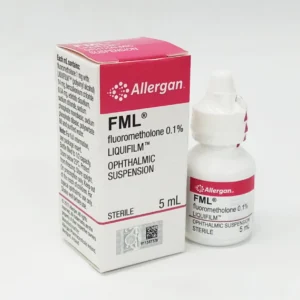
FML Eye Drop (Fluorometholone)
Additional information
| unit | 2 Eye Drop, 4 Eye Drop, 6 Eye Drop |
|---|
Reviews
There are no reviews yet.