
What Are Eye Lubricants?
Eye lubricants are sterile ophthalmic preparations available as drops, gels, and ointments that are used to moisturise, protect, and soothe the eye surface when the natural tear film is insufficient or unstable. They work by forming a stable and comfortable moisture layer on the cornea and conjunctiva, replacing or supplementing the deficient components of the natural tear film and providing relief from the dryness, irritation, and discomfort associated with various ocular surface conditions.
Eye lubricants are one of the most widely used categories of eye care products globally and are recommended by ophthalmologists and optometrists as the foundation of dry eye management. They are available in a range of formulations and viscosities from thin watery drops suitable for mild dryness and frequent daytime use to thick protective gels designed for intensive overnight corneal protection. At Eyedrops4U, we offer a carefully selected range of premium eye lubricant products from trusted manufacturers to suit every patient’s need and dry eye severity level.
Why Do We Need Eye Lubricants?
The human eye is protected and nourished by a thin but remarkably complex tear film that coats the entire ocular surface with every blink. This tear film performs several vital functions, including keeping the cornea optically smooth for clear vision, providing oxygen and nutrients to the avascular corneal epithelium, washing away debris and microorganisms, and lubricating the eye surface to reduce friction during blinking.
When the tear film becomes inadequate due to reduced production, increased evaporation, or poor quality, the eye surface is left exposed and vulnerable. This leads to the development of dry eye disease, a chronic condition characterised by ocular surface damage, inflammation, and uncomfortable symptoms that can significantly impair visual function and daily quality of life.
Eye lubricants compensate for this tear film deficiency by providing the moisture, stability, and protection that the natural tear film can no longer adequately supply. Regular and appropriate use of eye lubricants reduces symptoms, protects the ocular surface from dryness-related damage, and improves visual comfort and stability in patients with dry eye disease.
Who Needs Eye Lubricants?
Eye lubricants are beneficial for a wide range of patients and situations. People who spend long hours working on computers, smartphones, or tablets experience reduced blinking, leading to faster tear evaporation and significant dryness. Those living or working in air-conditioned offices, dry climates, or dusty environments experience increased tear evaporation from environmental factors. Contact lens wearers frequently experience dryness as lenses absorb moisture from the tear film throughout the day. Elderly patients, particularly women after menopause, experience an age-related reduction in tear production, making regular lubrication essential. Patients recovering from eye surgeries, including cataract surgery and LASIK, commonly experience significant post-operative dry eye requiring regular lubricant use during recovery. Patients with systemic conditions, including Sjögren syndrome, rheumatoid arthritis, diabetes, and thyroid disease, often have associated significant dry eye disease requiring consistent lubricant therapy.
Types of Eye Lubricants:-
Eye Lubricant Drops are the most commonly used form available in various viscosities. Thin drops are comfortable for frequent daytime use without causing significant blurring. Higher viscosity drops provide longer-lasting lubrication suitable for moderate to severe dryness. Drops are available in both preserved multi-dose bottles and preservative-free unit dose vials.
Eye Lubricant Gels are moderately to highly viscous preparations that provide more sustained lubrication than standard drops. They are suitable for moderate to severe dry eye and can be used during the day when temporary mild blurring is acceptable and at bedtime for intensive overnight protection. They are particularly beneficial for patients who find standard drops drain away too quickly to provide adequate relief.
Eye Lubricant Ointments are the thickest and most viscous form of eye lubricant, providing the most intensive and prolonged corneal protection. Due to significant blurring, they are primarily recommended for overnight use or in patients with severe exposure keratopathy or neurotrophic keratitis under specialist supervision.
Key Ingredients in Eye Lubricants:-
Sodium Hyaluronate is widely regarded as the premium lubricating ingredient in modern eye care. Naturally present in the human eye,e it retains water exceptionally well, and its unique viscoelastic properties closely mimic the behaviour of healthy natural tears. It actively supports corneal epithelial health through CD44 receptor interactions.
Carboxymethylcellulose (CMC) is a reliable and well-established mucoadhesive lubricant that adheres to the conjunctival surface, providing stable and comfortable moisture relief available in standard 0.5% and stronger 1% concentrations.
Hydroxypropyl Methylcellulose (HPMC) improves tear film stability and provides gentle film-forming lubrication suitable for regular daily use in mild to moderate dry eye.
Carbomer is a high viscosity polymer used in gel formulations, providing prolonged contact time on the eye surface, making it particularly effective for overnight protection.
Trehalose provides active cytoprotection of corneal epithelial cells against desiccation stress, going beyond simple lubrication to actively protect the eye surface cells from dryness-induced damage.
Polyethylene Glycol and Propylene Glycol, combined with HP-Guar smart gelling technology, provide intelligent on-contact gel formation for extended sustained lubrication.
How to Use Eye Lubricants Correctly?
Wash your hands thoroughly before every application. Tilt your head back gently and pull down the lower eyelid to create a small pocket. Apply one to two drops or a small ribbon of gel into the lower eyelid pocket. Close the eye gently and blink a few times to spread the lubricant evenly across the eye surface. Wipe away any excess with a clean tissue. Replace the cap firmly after every use. Remove contact lenses before application and wait at least 15 minutes before reinserting. Apply lubricant drops before other prescribed eye medicines and wait at least 5 minutes between different eye preparations. Discard multi-dose bottles 30 days after opening, even if the solution remains.
Choosing the Right Eye Lubricant:-
Choosing the most appropriate eye lubricant depends on the severity of dry eye symptoms, the type of dry eye, how frequently application is needed, and individual patient preferences and lifestyle requirements.
For mild occasional dryness, a standard sodium hyaluronate or CMC drop used two to three times daily is usually sufficient. For moderate persistent dryness, a higher concentration or dual ingredient formulation used three to four times daily provides better sustained comfort. For severe dry eye, a liquigel during the day combined with an overnight gel at bedtime provides the most comprehensive management. For patients needing very frequent applications, a preservative-free formulation is always recommended to avoid cumulative preservative-related ocular surface toxicity.
Always consult your eye doctor or optometrist for a proper dry eye assessment and personalised lubricant recommendation, particularly if symptoms are moderate to severe or have not improved with standard over-the-counter preparations.
More Expert Advice: Eye Drops: Complete Guide for Dry Eyes, Redness, Allergies & Infections.
Medical Disclaimer:-
The information provided on this page is for general informational and educational purposes only. It does not replace the advice of a qualified ophthalmologist, optometrist, or healthcare professional. Patients with persistent, moderate to severe, or worsening dry eye symptoms should seek professional ophthalmic evaluation for accurate diagnosis and appropriate personalised treatment. Eyedrops4U is committed to providing accurate and helpful product information to support informed patient decision-making.
-
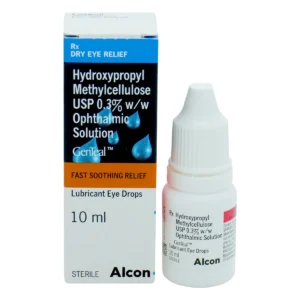
Genteal Gel (Hydroxypropylmethylcellulose)
Active Ingredient: Hydroxypropylmethylcellulose Indication: Dry eyes Manufacturer: Novartis India Ltd Packaging: 10 gm in 1 tube Delivery Time: 10 to 15 days Price range: $32.00 through $72.00Genteal Gel (Hydroxypropylmethylcellulose)
Price range: $32.00 through $72.00 -
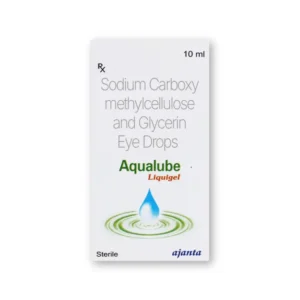
Aqualube Liquigel 10 ml
Active Ingredient: Carboxymethylcellulose (0.5% w/v) + Glycerin (1% w/v) Indication: Enhanced moisture retention, extended relief, and protection. Manufacturer: Ajanta Pharma Limited Packaging: 10 ml in 1 bottle Delivery Time: 10 to 15 days Price range: $18.00 through $48.00Aqualube Liquigel 10 ml
Price range: $18.00 through $48.00 -
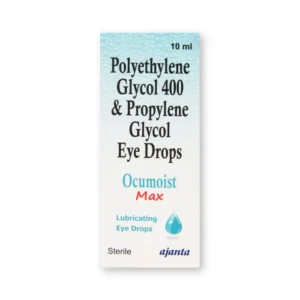
Ocumoist Max
Active Ingredient: Polyethylene Glycol and Propylene Glycol Indication: Dry eyes Manufacturer: Ajanta Pharma Limited Packaging: 10 ml in 1 packet Delivery Time: 10 to 15 days Price range: $18.00 through $48.00Ocumoist Max
Price range: $18.00 through $48.00 -
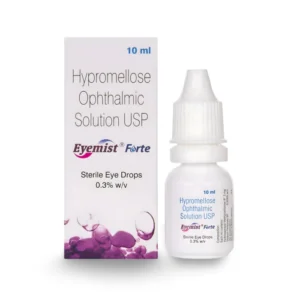
Eyemist Forte 10 ml
Active Ingredient: Hydroxypropylmethylcellulose Indication: Eye lubricant or artificial tears are used to relieve dry eyes. Manufacturer: Sun Pharmaceutical Industries Ltd Packaging: 10 ml in 1 Bottle Delivery Time: 10 to 15 days Price range: $16.00 through $42.00Eyemist Forte 10 ml
Price range: $16.00 through $42.00