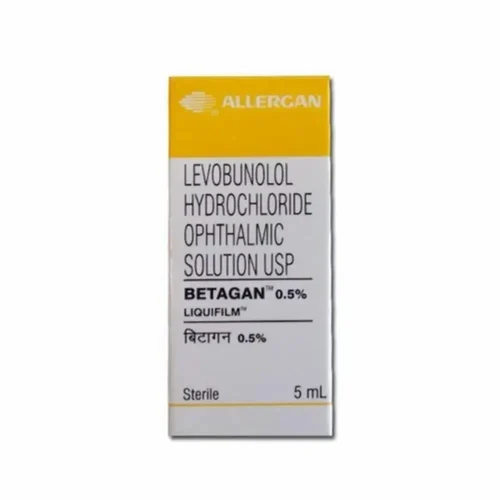
Levobunolol Eye Drops
Price range: $16.00 through $36.00
| Active Ingredient: | Levobunolol |
|---|---|
| Indication: | Ocular hypertension, Glaucoma |
| Manufacturer: | Allergan India Pvt Ltd |
| Packaging: | 5 ml in 1 packet |
| Delivery Time: | 10 to 15 days |
What Are Levobunolol Eye Drops?
Levobunolol is a non-selective beta-adrenergic blocker (beta-blocker) formulated specifically for use in the eye. It belongs to the same class of medicines as Timolol, but is considered to have a longer duration of action in some patients. The active ingredient, Levobunolol hydrochloride, works locally inside the eye to reduce fluid production and lower intraocular pressure (IOP).
This medication is available in two strengths — 0.25% and 0.5% — and is typically dispensed as a sterile ophthalmic solution. It is a prescription-only medicine, meaning it requires authorisation from a qualified eye specialist or doctor before purchase and use.
Levobunolol has been used clinically for several decades and has a well-established safety and efficacy profile in the management of chronic glaucoma.
Uses of Levobunolol Eye Drops:-
Levobunolol Eye Drops are prescribed for the following conditions:
Open-Angle Glaucoma This is the most common form of glaucoma. It occurs when the eye’s drainage system becomes less efficient over time, causing fluid to build up and pressure to rise inside the eye. If left unmanaged, this pressure can damage the optic nerve and lead to gradual, irreversible vision loss. Levobunolol helps control this pressure as part of ongoing glaucoma management.
Ocular Hypertension: Some patients have elevated eye pressure without any signs of optic nerve damage. This condition, known as ocular hypertension, is considered a risk factor for developing glaucoma in the future. Levobunolol is prescribed in these cases to keep the pressure within a safe range and reduce the risk of progression.
Adjunct Therapy In patients whose eye pressure is not adequately controlled with a single medication, Levobunolol may be used alongside other eye drops such as prostaglandin analogues or carbonic anhydrase inhibitors, as directed by the treating ophthalmologist.
How does it work?
The eye continuously produces a clear fluid called aqueous humour, which nourishes the inner structures of the eye and then drains away through a drainage angle. In glaucoma and ocular hypertension, this drainage becomes less efficient, causing more fluid to accumulate than is drained, which raises the pressure inside the eye.
Levobunolol works by blocking beta-adrenergic receptors in the ciliary body — the part of the eye responsible for producing aqueous humour. By blocking these receptors, the medication reduces the rate at which aqueous humour is produced. Less fluid being produced means less pressure building up inside the eye.
Unlike some other eye drops, Levobunolol does not significantly affect the drainage of fluid — its primary effect is on production. It begins working within approximately 1 hour of instillation, with maximum pressure-lowering effect occurring within 2 to 6 hours. Its effect can last up to 24 hours, which is why once-daily dosing is sufficient in many patients.
How to Use Levobunolol Eye Drops?
Follow these steps each time you use Levobunolol Eye Drops:
- Wash your hands thoroughly with soap and water before handling the bottle.
- Check the bottle — make sure the seal is intact, and the solution is clear. Do not use if the liquid appears cloudy or discoloured.
- Tilt your head back slightly and look up toward the ceiling.
- Gently pull down your lower eyelid with one finger to create a small pocket.
- Hold the bottle just above your eye without letting the tip touch your eye or eyelid.
- Squeeze gently to release one drop into the pocket formed by your lower eyelid.
- Close your eyes gently for 1 to 2 minutes. Avoid blinking repeatedly.
- Apply gentle pressure with one finger to the inner corner of your eye (beside your nose) for about 1 minute. This technique — called nasolacrimal occlusion — reduces the amount of medication absorbed into the bloodstream and minimises the risk of systemic side effects.
- Wipe away any excess solution around the eye with a clean tissue.
- If using in both eyes, repeat the same steps for the second eye.
- Replace the cap immediately after use to keep the solution sterile.
If you are using other eye drops at the same time, wait at least 5 minutes between each medication.
Dosage:-
The typical recommended dose of Levobunolol Eye Drops is one drop in the affected eye(s) once or twice daily, depending on the strength prescribed and your individual response to treatment.
- 0.5% solution — usually prescribed as one drop once daily in many patients
- 0.25% solution — may be prescribed as one drop twice daily
Your ophthalmologist will determine the most appropriate strength and frequency based on your eye pressure levels, general health, and any other medications you are taking. Do not change the dose or frequency on your own. If you feel the drops are not working effectively, speak to your doctor rather than increasing the dose yourself.
If you miss a dose, apply it as soon as you remember. However, if it is almost time for your next scheduled dose, skip the missed one and continue as normal. Never apply two drops at the same time to compensate.
Side Effects:-
Like all medicines, Levobunolol Eye Drops can cause side effects, although not everyone experiences them.
Common side effects (eye-related):
- Mild stinging or burning immediately after application
- Temporary blurred vision after instillation
- Eye redness or irritation
- Dryness or discomfort in the eye
- Sensitivity to light
Less common side effects (systemic): Because beta-blockers can be absorbed into the bloodstream through the eye, some patients may experience effects beyond the eye itself. These include:
- Slowed heart rate (bradycardia)
- Lowered blood pressure
- Dizziness or light-headedness
- Fatigue or weakness
- Shortness of breath, particularly in patients with asthma or respiratory conditions
- Sleep disturbances or low mood in some cases
Serious side effects — seek medical help immediately if you notice:
- Difficulty breathing or wheezing
- Chest tightness or palpitations
- Sudden vision changes
- Signs of allergic reaction, such as rash, facial swelling, or difficulty breathing
This is not a complete list. If you notice any unusual symptoms after starting Levobunolol, inform your doctor or pharmacist promptly.
Warnings and Precautions:-
Respiratory conditions: Levobunolol Eye Drops is a non-selective beta-blocker and can cause bronchospasm (narrowing of the airways). It should be used with extreme caution — or avoided entirely — in patients with asthma, chronic obstructive pulmonary disease (COPD), or other breathing disorders. Always inform your doctor if you have any lung conditions.
Heart conditions: Because beta-blockers affect heart rate and blood pressure, Levobunolol should be used carefully in patients with bradycardia (slow heart rate), heart block, or uncontrolled heart failure.
Diabetes: Beta-blockers can mask some of the warning signs of low blood sugar (hypoglycaemia), such as a rapid heartbeat. Diabetic patients should monitor blood sugar levels carefully and inform their doctor.
Pregnancy and breastfeeding: The safety of Levobunolol Eye Drops during pregnancy has not been fully established. Use only if your doctor considers it clearly necessary. It may pass into breast milk — discuss risks with your doctor before breastfeeding.
Contact lenses: Remove soft contact lenses before applying the drops. Wait at least 15 minutes before reinserting them, as the preservative benzalkonium chloride can be absorbed by soft lenses.
Driving: Temporary blurred vision after instillation may affect your ability to drive. Wait until your vision has fully cleared before driving or operating machinery.
Children: The safety and efficacy of Levobunolol in patients under 18 years have not been established. It is not generally recommended for paediatric use.
Surgery: If you are scheduled for surgery of any kind, inform your anaesthetist that you are using Levobunolol, as beta-blockers can interact with certain anaesthetic agents.
Storage:-
- Store at room temperature, below 25°C
- Keep away from direct sunlight, heat, and moisture
- Do not freeze the solution
- Keep the bottle cap tightly closed when not in use
- Discard within 4 weeks of opening, even if some solution remains
- Keep out of the reach of children
- Do not use after the expiry date printed on the label
- Do not dispose of in household waste — return unused medication to your pharmacist for safe disposal
Frequently Asked Questions?
1. Can I use Levobunolol Eye Drops if I have asthma?
Levobunolol is a non-selective beta-blocker and is generally not recommended for patients with asthma or other reactive airway diseases. Even as an eye drop, a small amount can be absorbed into the bloodstream and may trigger bronchospasm. Always consult your doctor before using this medication if you have any respiratory conditions.
2. How long does it take for Levobunolol Eye Drops to lower eye pressure?
Levobunolol typically begins reducing intraocular pressure within 1 hour of instillation. The maximum effect is usually seen between 2 and 6 hours after application. For most patients, its pressure-lowering effect lasts up to 24 hours, making once-daily dosing effective in many cases.
3. Can I use Levobunolol with other Levobunolol Eye Drops?
Yes, in many cases, Levobunolol Eye Drops is prescribed alongside other IOP-lowering medications such as prostaglandin analogues or carbonic anhydrase inhibitors. If you are using multiple eye drops, apply them at least 5 minutes apart. Always inform your ophthalmologist about all eye medications you are currently using to avoid interactions.
4. What happens if I accidentally use too many drops?
If you accidentally instill more drops than prescribed, gently rinse your eye with clean water. You may experience temporary increased stinging, redness, or blurred vision. If you notice any unusual symptoms such as a slow heartbeat, dizziness, or difficulty breathing, contact your doctor or seek medical attention promptly.
Medical Disclaimer:-
The information provided on this page is for general educational purposes only and does not constitute professional medical advice, diagnosis, or treatment. Levobunolol Eye Drops are a prescription-only medicine. Always consult a qualified ophthalmologist or licensed healthcare professional before starting, changing, or stopping any eye medication. Individual patient needs, suitability, and dosage can only be assessed by a trained medical professional. Eyedrops4U does not support or encourage self-medication. Use this content as a reference guide only — not as a replacement for personalised medical care.
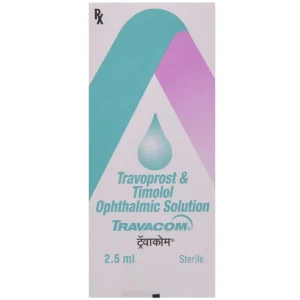
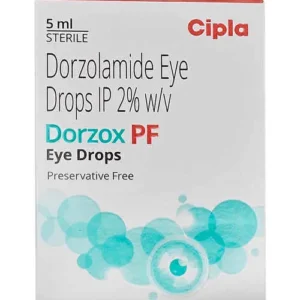
Alternative Medicines:-
Additional information
| unit | 2 Eye Drop, 4 Eye Drop, 6 Eye Drop |
|---|
Reviews
There are no reviews yet.