
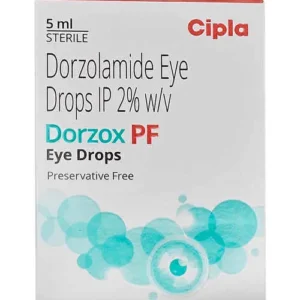
Dorzolamide Eye Drop 5ml
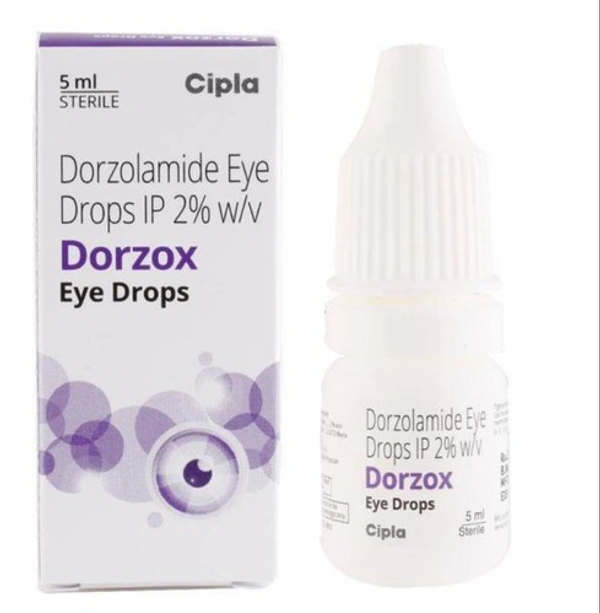
Price range: $20.00 through $48.00
| Active Ingredient: | Dorzolamide |
|---|---|
| Indication: | Glaucoma |
| Manufacturer: | Cipla Limited |
| Packaging: | 5 ml in 1 Bottle |
| Strength: | 5ml |
| Delivery Time: | 10 to 15 days |
Dorzolamide Eye Drops:-
Dorzolamide Eye Drop contains Dorzolamide Hydrochloride as its active ingredient at a concentration of 2%. Dorzolamide belongs to a group of medicines called carbonic anhydrase inhibitors. It is a prescription eye drop that is widely used for the long-term management of raised pressure inside the eye. Dorzolamide was one of the first carbonic anhydrase inhibitors developed specifically for use as an eye drop, making it possible to treat glaucoma locally without the need for oral tablets that carry more systemic side effects. It is available as a sterile, clear to nearly clear, slightly viscous solution with a pale yellow colour. This medicine is suitable for adult patients and, in some cases, for children, always under strict medical supervision. Dorzolamide Eye Drop is commonly prescribed in eye clinics and hospitals across India and worldwide and is considered a reliable and effective option in the long-term management of glaucoma and ocular hypertension.
Uses of Dorzolamide Eye Drops:-
Dorzolamide Eye Drop is prescribed for the following eye conditions:
- Open-Angle Glaucoma: Used to lower raised eye pressure in patients with the most common form of glaucoma, where the drainage channels inside the eye become partially blocked over time.
- Ocular Hypertension: Prescribed for patients whose eye pressure is higher than normal but has not yet caused visible damage to the optic nerve or any noticeable vision loss.
- Pseudoexfoliative Glaucoma: Used in patients where protein deposits in the eye block fluid drainage and cause elevated pressure.
- Insufficient Response to Beta-Blocker Eye Drops: Added to the treatment plan when a beta-blocker eye drop alone is not controlling eye pressure adequately.
- Prevention of Optic Nerve Damage: Regular use helps maintain safe and stable eye pressure levels to reduce the risk of progressive damage to the optic nerve and permanent vision loss.
- Paediatric Glaucoma: Sometimes prescribed for elevated eye pressure in children under specialist supervision.
Benefits of Dorzolamide Eye Drops:-
- Effectively lowers raised intraocular pressure through a well-understood and targeted mechanism
- Can be used as a standalone treatment or in combination with other glaucoma medicines
- Suitable option for patients who cannot tolerate beta-blocker eye drops due to heart or lung conditions
- Convenient three-times-daily dosing fits into most daily routines with proper planning
- Well-studied medicine with a strong safety and efficacy record over many years of clinical use
- Locally acting eye drop that minimises the systemic side effects associated with oral carbonic anhydrase inhibitors
- Available as a standalone drop and also as part of combination formulations with other glaucoma medicines
- Suitable for long-term use under regular eye specialist supervision
- Trusted by eye specialists globally as a reliable part of glaucoma management
How does Dorzolamide Eye Drops Work?
The eye constantly produces a clear fluid called aqueous humour inside the ciliary body. This fluid fills the front part of the eye and helps maintain normal eye shape and pressure. In a healthy eye, the fluid is produced and drained at a balanced rate. In glaucoma or ocular hypertension, this balance is disrupted, and too much fluid builds up inside the eye, causing pressure to rise dangerously.
Dorzolamide Eye Drop works by blocking an enzyme called carbonic anhydrase found in the ciliary body of the eye. This enzyme plays a key role in the production of aqueous humour. When Dorzolamide blocks this enzyme, the production of bicarbonate ions inside the ciliary body is reduced. Bicarbonate ions are essential for the formation of aqueous humour. With less bicarbonate available, the rate of fluid production slows down significantly. As a result, less aqueous humour accumulates inside the eye, and the intraocular pressure gradually falls to a safer level. This reduction in pressure relieves the strain on the optic nerve and helps preserve vision over the long term. The pressure-lowering effect is usually noticed within one to two hours of the first application and builds with regular, consistent use over time.
Better Vision Starts Here:- Eye Drops: Complete Guide for Dry Eyes, Redness, Allergies & Infections.
How to Use?
Follow these careful steps every time you use Dorzolamide Eye Drop:
- Wash your hands thoroughly with soap and water before touching the bottle or your eye.
- Check the expiry date on the bottle and ensure the seal is not broken before first use.
- Tilt your head gently backwards and look upward towards the ceiling.
- With one clean finger, gently pull down your lower eyelid to create a small pocket.
- Hold the dropper tip just above your eye without allowing it to touch the eye surface, eyelid, or any other surface.
- Squeeze the bottle gently to release one drop carefully into the pocket of the lower eyelid.
- Close your eye softly and press lightly on the inner corner of your eye with one finger for 1 to 2 minutes. This step is very important as it reduces the drainage of the medicine into the nose and throat and minimises systemic absorption.
- Wipe away any extra liquid from around the eye gently using a clean soft tissue.
- If the drop is needed in both eyes, repeat all steps carefully for the other eye.
- Replace the bottle cap firmly and securely after every use to maintain the sterility of the solution.
Dosage of Dorzolamide Eye Drops:-
The dosage of Dorzolamide Eye Drop is prescribed by the treating eye doctor. General dosage guidelines are as follows:
- Standard Adult Dose: 1 drop in the affected eye or both eyes, three times daily (morning, afternoon, and evening), equally spaced throughout the day.
- When used with a Beta-Blocker Eye Drop: If Dorzolamide is being used alongside a beta-blocker eye drop such as Timolol, the doctor may adjust the dosing frequency. Wait at least 10 minutes between different eye drops.
- Children: The dose for children should always be prescribed and supervised by a paediatric eye specialist. Do not use in children without specialist guidance.
- Missed Dose: If a dose is missed, apply it as soon as you remember. If it is nearly time for the next scheduled dose, skip the missed one and continue with the routine. Never apply two doses at the same time to compensate for a missed dose.
Always follow the exact dosage and schedule prescribed by your eye specialist. Do not change the dose or frequency on your own, even if your eyes feel completely normal, as glaucoma is often symptom-free in its early stages.
Side Effects of Dorzolamide Eye Drops:-
Dorzolamide Eye Drop is generally well tolerated by most patients with regular use. However, some patients may experience mild to moderate side effects during treatment.
Common Side Effects:
- Mild stinging or burning sensation immediately after applying the drop
- Bitter or unusual taste in the mouth after application due to drainage through the tear duct
- Temporary blurred vision for a few minutes after use
- Mild redness or irritation of the eye
- Slight watering or tearing of the eye after application
Uncommon Side Effects:
- Dry eye or mild eye discomfort between doses
- Sensitivity to light
- A feeling of something in the eye
- Mild swelling or itching of the eyelid
- Mild headache or dizziness
- Superficial punctate keratitis (small surface changes on the cornea that are usually temporary)
Serious Side Effects (Rare but Seek Immediate Help):
- Severe allergic reaction, including intense itching, rash, hives, or swelling of the face, lips, or throat
- Severe eye pain or sudden significant worsening of vision
- Signs of kidney stones, such as severe back or side pain with difficulty urinating
- Significant skin reactions such as blistering or peeling
- Signs of blood disorders, such as unusual tiredness, pale skin, or frequent infections
Dorzolamide contains a sulphonamide group, and patients who are allergic to sulpha-based medicines should be aware of a potential cross-sensitivity reaction. Inform your doctor of any sulpha allergy before starting this medicine.
Precautions & Safety:-
Please read the following important precautions carefully before using Dorzolamide Eye Drop:
- Prescription Only: Dorzolamide is a prescription medicine. Always use under the supervision of a qualified eye specialist. Do not self-medicate for glaucoma or eye pressure-related conditions.
- Sulphonamide Allergy: Dorzolamide contains a sulphonamide chemical group. Patients allergic to sulpha medicines or sulphonamide antibiotics should inform their doctor before starting treatment, as cross-sensitivity reactions are possible.
- Kidney Disease: Dorzolamide is removed from the body through the kidneys. Patients with severe kidney disease or significantly reduced kidney function should not use this medicine. Inform your doctor about any kidney problems before starting treatment.
- Liver Disease: Patients with significant liver disease should use this medicine with caution. Always inform your doctor of your complete medical history before starting treatment.
- Contact Lenses: Remove contact lenses before applying the drop. Wait at least 15 minutes before putting them back in, as the preservative benzalkonium chloride may be absorbed by soft contact lenses and irritate.
- Driving and Machinery: Avoid driving or operating heavy machinery immediately after applying the drop, as temporary blurred vision may occur after use.
- Pregnancy and Breastfeeding: Inform your doctor if you are pregnant or breastfeeding. Dorzolamide should be used during pregnancy only if clearly necessary and under strict medical supervision. It may pass into breast milk and affect a nursing baby.
- Children: Use in children must only be done under the supervision of a paediatric eye specialist with appropriate dosing guidance.
- Corneal Health: Patients with low endothelial cell counts in the cornea or a history of corneal disease should use this medicine with caution, as it may occasionally affect corneal health with long-term use. Regular corneal monitoring is advised.
- Allergies: Tell your doctor if you are allergic to Dorzolamide, sulphonamides, or any other ingredients in this eye drop before starting treatment.
- Do Not Stop Suddenly: Do not discontinue this medicine without consulting your doctor. Stopping glaucoma treatment suddenly can cause a rapid rise in eye pressure and increase the risk of optic nerve damage.
- Other Medicines: Tell your doctor about all other medicines you are currently taking, especially other carbonic anhydrase inhibitors in tablet form, as using both together can increase the risk of side effects.
- Do Not Share: Never share your eye drop bottle with another person. Glaucoma treatment is individualised, and sharing medicines is unsafe.
Storage of Dorzolamide Eye Drops:-
- Store at room temperature between 15°C and 25 °C.
- Keep the bottle away from direct sunlight, heat sources, and damp or humid environments.
- Do not freeze the solution under any circumstances.
- Always keep the bottle cap tightly closed after every use to maintain sterility.
- Store safely out of reach of children and pets at all times.
- Do not use after the expiry date clearly printed on the bottle or outer carton.
- Discard the bottle 28 days after first opening, even if some solution still remains inside.
- Do not dispose of medicines in household waste bins or wash them down the drain. Contact your pharmacist for guidance on safe and responsible disposal of unused medicines.
FAQs of Dorzolamide Eye Drops?
1. How long does it take for Dorzolamide Eye Drop to start working?
Dorzolamide Eye Drops begin to lower intraocular pressure within one to two hours of the first application. The full consistent pressure-lowering effect builds up over several days of regular use. Your eye doctor will monitor your eye pressure at follow-up visits to confirm the medicine is working effectively for you.
2. Can Dorzolamide Eye Drop be used if I cannot tolerate beta-blocker eye drops?
Yes. Dorzolamide Eye Drops works through a completely different mechanism from beta-blockers and is a suitable alternative for patients who cannot use beta-blockers due to heart conditions, asthma, or other contraindications. Always discuss your medical history with your doctor so they can choose the most appropriate glaucoma medicine for you.
3. Why do I get a bitter taste after using Dorzolamide Eye Drop?
The bitter or unusual taste after application occurs because a small amount of the eye drop drains from the eye into the nose and throat through the tear duct. Pressing on the inner corner of the eye after applying the drop for one to two minutes helps significantly reduce this drainage and the associated taste.
4. Can I use Dorzolamide Eye Drop together with other glaucoma medicines?
Yes. Dorzolamide Eye Drops is commonly used alongside other glaucoma medicines, including beta-blocker eye drops and prostaglandin analogues when a single medicine is not sufficient to control eye pressure. If multiple drops are prescribed, wait at least 5 to 10 minutes between each medicine. Always follow your doctor’s instructions on the order and timing of application.
5. Do I need to use Dorzolamide Eye Drop permanently?
Glaucoma is usually a lifelong condition that requires ongoing treatment to maintain safe eye pressure levels and protect the optic nerve. Most patients need to continue their glaucoma medicine long-term. Your eye specialist will review your treatment regularly and make adjustments based on your eye pressure readings and overall health.
Medical Disclaimer:-
The information provided on this page is for general educational and informational purposes only. It is not intended to replace the advice, diagnosis, or treatment provided by a licensed eye doctor or qualified healthcare professional. Glaucoma and ocular hypertension are serious eye conditions that require regular monitoring and long-term personalised medical care. Eyedrops4U is an online pharmacy that provides accurate and helpful product information to support informed decision-making by patients and caregivers. We strongly advise against self-diagnosis and self-medication for serious eye conditions such as glaucoma. Always consult your eye specialist before starting, adjusting, or stopping any glaucoma treatment. Read the complete product leaflet carefully and speak to your doctor or pharmacist if you have any questions or concerns about your eye health or treatment plan.
Explore Similar Medicines:-
Dorzox T Eye Drop 5ml (Dorzolamide / Timolol)
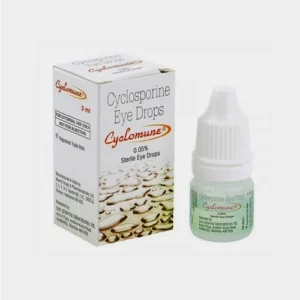
Cyclomune 0.05% Eye Drop (Cyclosporin)
C-NAC Eye Drop (Sodium Carboxymethylcellulose/N-Acetyl-Carnosine)
Additional information
| unit | 2 Eye Drop, 4 Eye Drop, 6 Eye Drop |
|---|
Reviews
There are no reviews yet.