What Are Dry Eye Drops?
Dry eye drops are sterile lubricating eye solutions used to relieve the symptoms of dry eye disease. They are also called artificial tears or lubricating eye drops. These drops work by adding moisture to the eye surface, supplementing the natural tear film when it is not producing enough tears or when tears evaporate too quickly. Dry eye drops do not cure the underlying cause of dry eye,e but they provide significant symptomatic relief, ef making the eyes more comfortable and protecting the eye surface from dryness-related damage.
Dry eye is one of the most common eye conditions in India, affecting people of all ages. It is particularly common in individuals who spend long hours on screens, work in air-conditioned environments, wear contact lenses, or are above the age of 50. At Eyedrops4, U we offer a wide range of dry eye drops from trusted brands to suit every patient’s needs and dry eye severity.
What Causes Dry Eye?
Dry eye occurs when the natural tear film on the eye surface becomes unstable or insufficient. The tear film is made up of three layers. The outer oily layer prevents tears from evaporating. The middle watery layer keeps the eye moist and nourished. The inner mucin layer helps tears spread evenly across the eye surface. When any of these layers is deficient or of poor qualityty dry eye symptoms develop.
Common causes of dry eye include prolonged use of computers, smartphones, and digital screens, ens where blinking becomes less frequent. Air conditioning and indoor heating reduce humidity in the environment, making tears evaporate faster. Ageing naturally reduces tear production, particularly in women after menopause. Contact lens wear disrupts the tear film and absorbs moisture from the eye surface. Certain medications, es including antihistamines, antidepressants, and blood pressure tablets, can reduce tear production as a side effect. Medical conditions such as Sjögren syndrome, diabetes, thyroid disease, and rheumatoid arthritis are associated with significant dry eye. Previous eye surgery, including LASIK, can temporarily or permanently reduce tear production.
Common Symptoms of Dry Eye:-
Recognising dry eye symptoms helps patients seek the right treatment at the right time. A persistent burning or stinging sensation in the eye, especially in the afternoon or at night, is one of the most common complaints. A grittyfeel lingeringdy fee, as if something is in the eye, is very frequently reported. Redness of the eye that worsens throughout the day is common. Blurred vision that temporarily improves after blinking suggests poor tear film stability. Excessive watering of the eyes can paradoxically occur in dry eye as the eye overproduces reflex tears in response to dryness. Sensitivity to light, wind, and smoke is commonly experienced. Eye fatigue and difficulty with prolonged reading or screen use are frequent complaints.
Types of Dry Eye Drops Available:-
There are several different types of dry eye drops available, each suited to different severities of dry eye and different times of use throughout the day.
Standard Lubricating Drops containing ingredients such as Sodium Hyaluronate 0.1%, Carboxymethylcellulose 0.5%, or Hydroxypropyl Methylcellulose are suitable for mild to moderate dry eye. They provide comfortable and reliable moisture with minimal blurring and can be used comfortably throughout the day.
Higher Strength Lubricating Drops containing higher concentrations, ratios such as Sodium Hyaluronate 0.2% to 0.3% or CMC 1%longer-lastingr lasting lubrication and are more suitable for moderate to severe dry eye, where standard drops do not provide sufficient or lasting enough relief.
Dual Ingredient Drops combine two different lubricating agents,s such as Sodium Hyaluronate with HPMC or CMC, with Glycerin to provide more comprehensive tear film supplementation. These are particularly beneficial for patients who have not fousingle-ingredientent drops effective enough.
Preservative-Free Drops are recommended for patients who need to use drops more than four times daily or who have sensitive eyes. Standard drops contain preservatives that can irritate the eye surface with very frequent use. Preservative-free drops can be used as often as needed without this concern.
Overnight Gels are thick, viscous preparations applied before bedtime,e providing intensive lubrication and corneal protection throughout the night. They are particularly helpful for patients who wake up with very dry, sticky, or painful eyes.
Key Ingredients to Know:-
Sodium Hyaluronate is a naturally occurring substance in the human eye with outstanding water retention and lubricating properties. It closely mimics natural tears and is considered one of the best lubricating ingredients available.
Carboxymethylcellulose (CMC) is a trusted and widely used lubricating polymer that adheres well to the eyesurface, providing stable and comfortable moisture relief.
Hydroxypropyl Methylcellulose (HPMC) improves tear film stability and provides gentle, comfortable lubrication suitable for regular daily use.
Trehalose is a naturally occurring sugar that not only lubricates but actively protects the corneal cells from damage caused by dryness,s making it a particularly advanced ingredient in premium dry eye formulations.
Glycerin helps protect the eye surface cells from the damaging effects of the concentrated tears found in dry eye disease while also retaining moisture on the eye surface.
Helpful Tips for Dry Eye Patients:-
Using dry eye drops regularly as part of a daily routine provides better results than using them only when symptoms become uncomfortable. Blink consciously and regularly during screen use. Take regular breaks from screens following the 20-20-20 rule. Use a humidifier in air-conditioned rooms. Wear sunglasses outdoors to protect your eyes from wind and dust. Stay well hydrated by drinking enough water throughout the day. Maintain good eyelid hygiene by gently cleaning the eyelid margins daily.
Medical Disclaimer:-
The information on this page is for general informational purposes only. It is not a substitute for professional medical advice from a qualified eye doctor or optometrist. If your dry eye symptoms are persistent, severe, or worsening, please consult your eye specialist for a proper assessment and personalised treatment plan. Eyedrops4U recommends professional evaluation before starting any new eye care product.
-
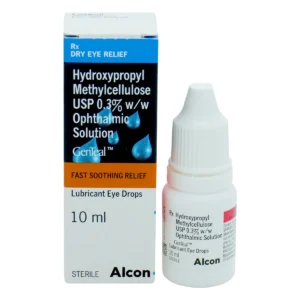
Genteal Gel (Hydroxypropylmethylcellulose)
Active Ingredient: Hydroxypropylmethylcellulose Indication: Dry eyes Manufacturer: Novartis India Ltd Packaging: 10 gm in 1 tube Delivery Time: 10 to 15 days Price range: $32.00 through $72.00Genteal Gel (Hydroxypropylmethylcellulose)
Price range: $32.00 through $72.00 -
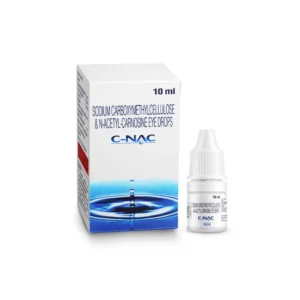
C-NAC Eye Drop (Sodium Carboxymethylcellulose/N-Acetyl-Carnosine)
Active Ingredient: Sodium Carboxymethylcellulose/N-Acetyl-Carnosine Indication: Dry eyes Manufacturer: Intas Pharmaceuticals Ltd Packaging: 10 ml in 1 bottle Delivery Time: 10 to 15 days Price range: $14.00 through $30.00C-NAC Eye Drop (Sodium Carboxymethylcellulose/N-Acetyl-Carnosine)
Price range: $14.00 through $30.00 -
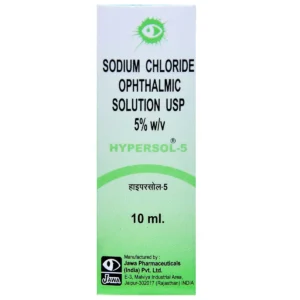
Sodium Chloride Eye Drop
Active Ingredient: Sodium Chloride Indication: used in dry eyes Manufacturer: Jawa Pharmaceuticals Pvt Ltd Packaging: 10 ml in 1 packet Strength: 5% Delivery Time: 10 to 15 days Price range: $13.50 through $46.00Sodium Chloride Eye Drop
Price range: $13.50 through $46.00 -
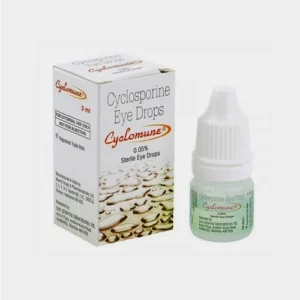
Cyclomune 0.05% Eye Drop (Cyclosporin)
Active Ingredient: Cyclosporine Indication: Dry eyes Manufacturer: Sun Pharmaceutical Industries Ltd Packaging: 3 ml in 1 Bottle Strength: 0.05% Delivery Time: 10 to 15 days Price range: $28.00 through $72.00Cyclomune 0.05% Eye Drop (Cyclosporin)
Price range: $28.00 through $72.00 -
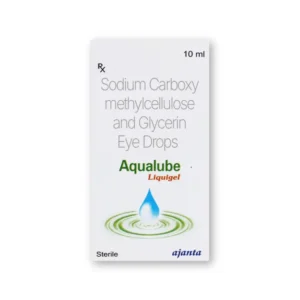
Aqualube Liquigel 10 ml
Active Ingredient: Carboxymethylcellulose (0.5% w/v) + Glycerin (1% w/v) Indication: Enhanced moisture retention, extended relief, and protection. Manufacturer: Ajanta Pharma Limited Packaging: 10 ml in 1 bottle Delivery Time: 10 to 15 days Price range: $18.00 through $48.00Aqualube Liquigel 10 ml
Price range: $18.00 through $48.00 -
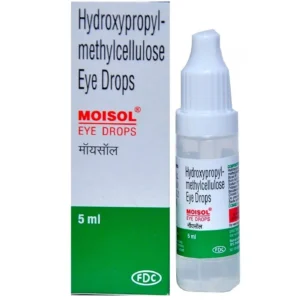
Moisol Eye Drops
Active Ingredient: Hydroxypropylmethylcellulose Indication: Dry eyes Manufacturer: FDC Ltd Packaging: 5 ml in 1 packet Delivery Time: 6 To 15 days Price range: $8.00 through $20.00Moisol Eye Drops
Price range: $8.00 through $20.00 -
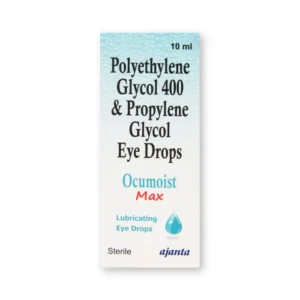
Ocumoist Max
Active Ingredient: Polyethylene Glycol and Propylene Glycol Indication: Dry eyes Manufacturer: Ajanta Pharma Limited Packaging: 10 ml in 1 packet Delivery Time: 10 to 15 days Price range: $18.00 through $48.00Ocumoist Max
Price range: $18.00 through $48.00 -
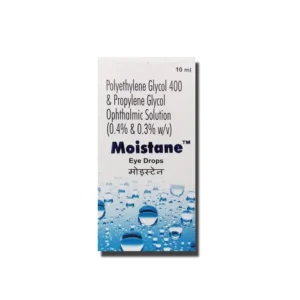
Moistane 10 ml
Active Ingredient: Polyethylene Glycol and Propylene Glycol Indication: Dry Eyes and lower irritation Manufacturer: Micro Labs Ltd Packaging: 5 ml in 1 packet Delivery Time: 6 To 15 days Price range: $30.00 through $78.00Moistane 10 ml
Price range: $30.00 through $78.00 -
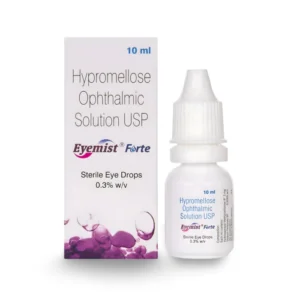
Eyemist Forte 10 ml
Active Ingredient: Hydroxypropylmethylcellulose Indication: Eye lubricant or artificial tears are used to relieve dry eyes. Manufacturer: Sun Pharmaceutical Industries Ltd Packaging: 10 ml in 1 Bottle Delivery Time: 10 to 15 days Price range: $16.00 through $42.00Eyemist Forte 10 ml
Price range: $16.00 through $42.00 -
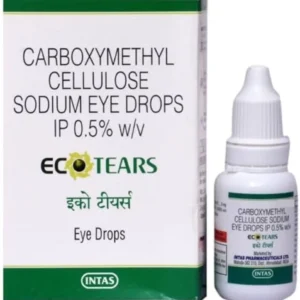
Eco Tears Eye Drop
Active Ingredient: Carboxymethylcellulose (0.5% w/v) Indication: Helps to soothe the irritation and burning seen in dry eyes Manufacturer: Intas Pharmaceuticals Ltd Packaging: 10 ml in 1 bottle Strength: 10ml Delivery Time: 6 To 15 days Price range: $20.00 through $70.00Eco Tears Eye Drop
Price range: $20.00 through $70.00 -
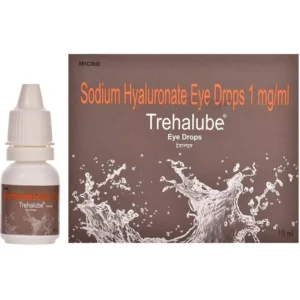
Trehalube Eye Drop (Sodium Hyaluronate / Hyaluronic acid)
Active Ingredient: Sodium Hyaluronate / Hyaluronic acid Indication: Provides lubrication to the ocular surface of the eye Manufacturer: Micro Labs Limited Packaging: 10 ml in 1 bottle Strength: 10ml Delivery Time: 6 To 15 days Price range: $40.00 through $90.00Trehalube Eye Drop (Sodium Hyaluronate / Hyaluronic acid)
Price range: $40.00 through $90.00 -
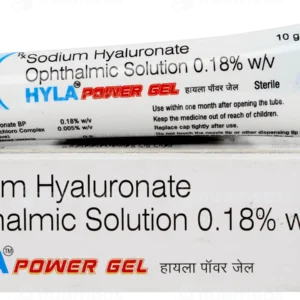
Hyla Power Gel Eye Gel
Active Ingredient: Sodium Hyaluronate Indication: Moistens the eyes and provides relief from discomfort and temporary burning. Manufacturer: Entod Pharmaceuticals Ltd Packaging: 10 gm Strength: 10gm Delivery Time: 6 To 15 days Price range: $20.00 through $60.00Hyla Power Gel Eye Gel
Price range: $20.00 through $60.00