
What Are Antibiotic Eye Drops?
Antibiotic eye drops are sterile prescription ophthalmic solutions containing antibacterial active ingredients specifically formulated to treat bacterial infections affecting the eye and surrounding structures. When bacteria infect the eye, they multiply rapidly on the conjunctival and corneal surface,e causing inflammation, redness, discharge, pain, and potential damage to delicate eye tissue. Without prompt and appropriate antibiotic treatment, non-bacterial eye infections can worsen quickly, and in serious cases threaten vision.
Antibiotic eye drops deliver the antibacterial medicine directly to the site of infection,ection achieving high local concentrations at the eye surface while minimising systemic absorption and side effects. They are one of the most commonly prescribed categories of eye drops by ophthalmologists and general physicians across India and are essential for the safe and effective management of bacterial eye infections.
At Eyedrops4U, we offer a wide range of clinically proven antibiotic eye drops from trusted pharmaceutical manufacturers covering all the major antibiotic classes used in ophthalmic practice.
Types of Bacterial Eye Infections:-
Bacterial Conjunctivitis is the most common bacterial eye infection, causing redness, sticky yellow or green discharge, eyelid crusting, and irritation. It is highly contagious and typically affects one eye first before spreading to the other. Common causative bacteria include Staphylococcus aureus, Streptococcus pneumoniae, and Haemophilus influenzae.
Corneal Ulcers are serious bacterial infections of the cornea, causing significant pain, photophobia, redness, and potentially vision-threatening corneal damage and scarring if not treated promptly and aggressively with appropriate antibiotics.
Blepharitis is a bacterial infection and inflammation of the eyelid margins, causing redness, crusting, itching, and eyelash loss. Staphylococcal bacteria are the most common cause of chronic blepharitis requiring antibiotic treatment.
Dacryocystitis ia s bacterial infection of the tear sac, causing painful swelling, redness, and discharge near the inner corner of the eye, requiring antibiotic treatment alongside other interventions.
Post-Operative Eye Infections can occur after cataract surgery, LASIK, and other eye procedures,s making antibiotic drops an essential component of post-operative care protocols.
How Antibiotic Eye Drops Work?
Different antibiotic eye drops work through different mechanisms depending on their antibiotic class.
Fluoroquinolone Antibiotics such as Ciprofloxacin, Ofloxacin, Moxifloxacin, and Gatifloxacin work by blocking two essential bacterial enzymes called DNA gyrase and topoisomerase IV. These enzymes are critical for bacterial DNA replication and cell division. By blocking them, fluoroquinolones prevent bacteria from reproducing and cause their rapid death. Fluoroquinolones are broad-spectrum antibiotics effective against both gram-positive and gram-negativebacteriai,a making them a first choice for many serious bacterial eye infections.
Aminoglycoside Antibiotics such as Tobramycin and Gentamicin work by binding to the bacterial ribosome and inhibiting bacterial protein synthesis, causing bacterial cell death. They are particularly effective against gram-negative bacteria.
Chloramphenicol works by inhibiting bacterial protein synthesis through ribosomal binding and is effective against a wide range of bacteria causing conjunctivitis.
Sulphonamide Antibiotics such as Sulphacetamide work by blocking bacterial folic acid synthesis, which is essential for bacterial growth anmultiplicationio,n providing bacteriostatic activity.
Common Symptoms of Bacterial Eye Infections:-
Recognising the symptoms of bacterial eye infections helps patients seek prompt treatment,nt preventing complications. Redness of the eye and conjunctiva is almost always present. Sticky yellow, green, or mucopurulent discharge is a characteristic feature of bacterial infecn,ion distinguishing it from viral or allergic conditions. Eyelid crucrustingng particularly in the morning with lids stuck together after sleep, is very common. Eye pain, discomfort, or foreign body sensation may be present. Blurred vision may occur due to discharge on the eye surface or corneal involvement. Significant photophobia and severe eye pain particularly suggest corneal ulceration requiring urgent specialist assessment.
Unlike allergic conjunctivitis bacterial infections often start in one eye and significant discharge is a distinguishing feature. Significant pain and vision change always require urgent ophthalmic evaluation.
How to Choose the Right Antibiotic Eye Drop?
The choice of antibiotic eye drop depends on the type and severity of the infection, the likely causative organism, local antibiotic resistance patterns, and individual patient factors. A proper diagnosis by a qualified eye doctor is essential before starting any antibiotic eye drop treatment to ensure the correct antibiotic is prescribed for the specific bacterial cause.
For mild to moderate bacterial conjunctivitis,s broad-spectrum antibiotics such as Ciprofloxacin, Ofloxacin, or Moxifloxacin are commonly first-line choices. For serious corneal ulcer,s more intensive antibiotic therapy with higher concentrations and more frequent application is required under close specialist supervision. For post-operative prophylaxis, the choice is guided by the surgeon based on the specific procedure and local resistance patterns.
Never use antibiotic eye drops for viral conjunctivitis, allergic conjunctivitis, or dry eye,e as they will be ineffective and contribute to antibiotic resistance.
Important Safety Information:-
Always complete the full prescribed course of antibiotic eye drops even when symptoms improve before the course ends. Stopping early allows surviving bacteria to multiply and potentially develop resistance. Never share antibiotic eye drops, as bacterial eye infections are contagious. Practice careful hand hygiene and avoid touching the eyes to prevent spreading infection. Remove contact lenses during the entire course of treatment and do not resume wear until the infection has completely cleared,ed as confirmed by your doctor.
When to See a Doctor?
Always consult an eye doctor before starting antibiotic eydropsop,s as a correct diagnosis is essential. Seek urgent care if eye redness is accompanied by significant pain, photophobia, or vision changes suggesting corneal involvement. Children with red sticky eyes should be assessed by a doctor before starting any antibiotic treatment.
Medical Disclaimer:-
The information on this page is for general educational purposes only. It does not replace advice from a qualified eye doctor. Always consult your ophthalmologist or physician before starting antibiotic eye drop treatment. Eyedrops4U strongly advises against self-medication with antibiotic eye drops without proper professional diagnosis and prescription.
-
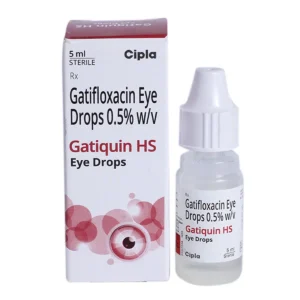
Gatiquin HS Eye Drop (Gatifloxacin)
Active Ingredient: Gatifloxacin Indication: Bacterial eye infections Manufacturer: Cipla Limited Packaging: 5 ml in 1 Bottle Strength: 0.3% Delivery Time: 10 to 15 days Price range: $12.00 through $24.00Gatiquin HS Eye Drop (Gatifloxacin)
Price range: $12.00 through $24.00 -
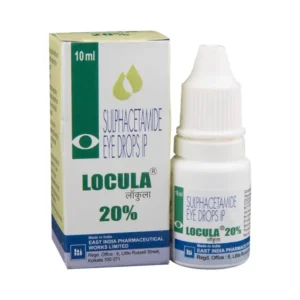
Sulphacetamide Eye Drop
Active Ingredient: Sulfacetamide Indication: Bacterial infections of the eye Manufacturer: East India Pharmaceutical Works Limited Packaging: 10ml in a bottle Delivery Time: 10 to 15 days Price range: $20.00 through $48.00Sulphacetamide Eye Drop
Price range: $20.00 through $48.00 -
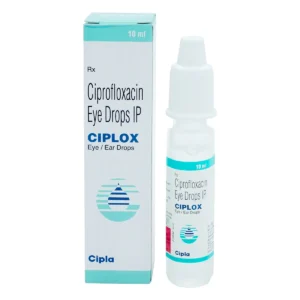
Ciplox Eye Drops (Ciprofloxacin)
Active Ingredient: Ciprofloxacin Indication: Bacterial Infections Manufacturer: Cipla Limited Packaging: 10 ml in 1 packet Delivery Time: 10 to 15 days Price range: $15.00 through $48.00Ciplox Eye Drops (Ciprofloxacin)
Price range: $15.00 through $48.00 -
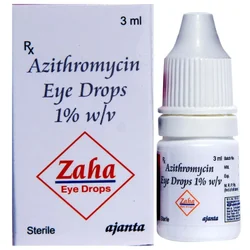
Zaha Eye Drop (Azithromycin)
Active Ingredient: Azithromycin Indication: Bacterial infections of the eye Manufacturer: Ajanta Pharma Ltd Packaging: 3 ml in 1 packet Delivery Time: 10 to 15 days Price range: $8.00 through $18.00Zaha Eye Drop (Azithromycin)
Price range: $8.00 through $18.00